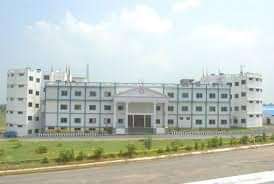
Agriculture And Food Management Institute
About
OfficialAgriculture And Food Management Institute is a other institution in Mysuru. Agriculture And Food Management Institute (AFMI), located in Mysuru, Karnataka, is a specialized institution dedicated to agriculture, food technology, and agricultural management education. Established in 1999, AFMI has grown to become one of India's premier colleges focused on agricultural sciences and food industry management. The institute was founded with the vision of bridging the gap between traditional agricultural practices and modern food processing technologies, creating a pipeline of professionals equipped to handle India's agricultural sector transformation and food security challenges. The campus, spread across 45 acres on the Pandavapura Road in Mysuru, offers a blend of academic rigor and practical farming experience. AFMI's strategic location in Mysuru—known as the 'City of Palaces'—places it near agricultural research centers, food processing industries, and the Agricultural University of Karnataka, fostering strong industry-academia collaboration. The institute offers undergraduate and postgraduate programs in agriculture, agricultural business management, food technology, dairy technology, and horticulture. Its strength lies in combining theoretical knowledge with hands-on training through college-owned farms (covering 30+ acres), food processing units, and dairy facilities. Students engage in live projects involving crop cultivation, soil testing, and food processing, giving them practical competency before entering the workforce. AFMI has developed strong partnerships with agricultural cooperatives, food processing companies like ITC, Nestlé, and local agribusinesses. The placement record shows approximately 85-90% placement within agriculture and food sectors, with graduates typically entering roles in farm management, agricultural trading, food quality assurance, supply chain management, and agricultural entrepreneurship. Notable alumni include agriculture entrepreneurs who have established successful farm ventures, food processing businesses, and agricultural consultancies across India. The institute uniquely emphasizes sustainability practices, organic farming methods, and modern agricultural technologies like precision farming and farm-to-table supply chains. Campus life at AFMI is quieter compared to engineering colleges—the culture revolves around agriculture clubs, farm-based learning, and industry seminars. Hostel facilities are basic but functional. The mess food is predominantly vegetarian, catering to agricultural college standards. While the institute excels in agriculture and food science, it does not attract the same competitive admissions pool as IITs or premier NITs. Students should note that Mysuru, though culturally rich, offers limited nightlife and tech job opportunities compared to metros. AFMI is ideal for students genuinely passionate about agriculture, food entrepreneurship, sustainability, and rural development—not for those seeking high IT salaries or urban corporate environments. The institute serves students from agricultural backgrounds, science enthusiasts interested in food safety and nutrition, and aspiring agricultural entrepreneurs. Admission is primarily through state-level entrance exams and direct counseling. The pedagogy emphasizes learning-by-doing, with regular farm visits, crop monitoring projects, and interaction with farming communities. Research at AFMI focuses on crop improvement, soil health management, sustainable farming practices, food safety standards, and value-added food products. The institute regularly hosts workshops and seminars featuring agricultural scientists, industry experts, and farming innovators. Campus infrastructure includes modern food testing laboratories, dairy processing units, greenhouses, farm management centers, and conference facilities for agricultural extension programs. Challenges include limited brand recognition outside agricultural circles, smaller alumni network compared to larger institutions, and relatively fewer job options in metropolitan areas—making it suitable specifically for agriculture-sector career aspirants.